ServicesSealants
Dental Sealants for Kids in Bridgewater
Most cavities in kids start in the deep grooves of the back teeth, where a toothbrush bristle can't reach. Sealants close those grooves with a thin coating. The visit is short, there are no shots or drilling, and your child can eat right after.
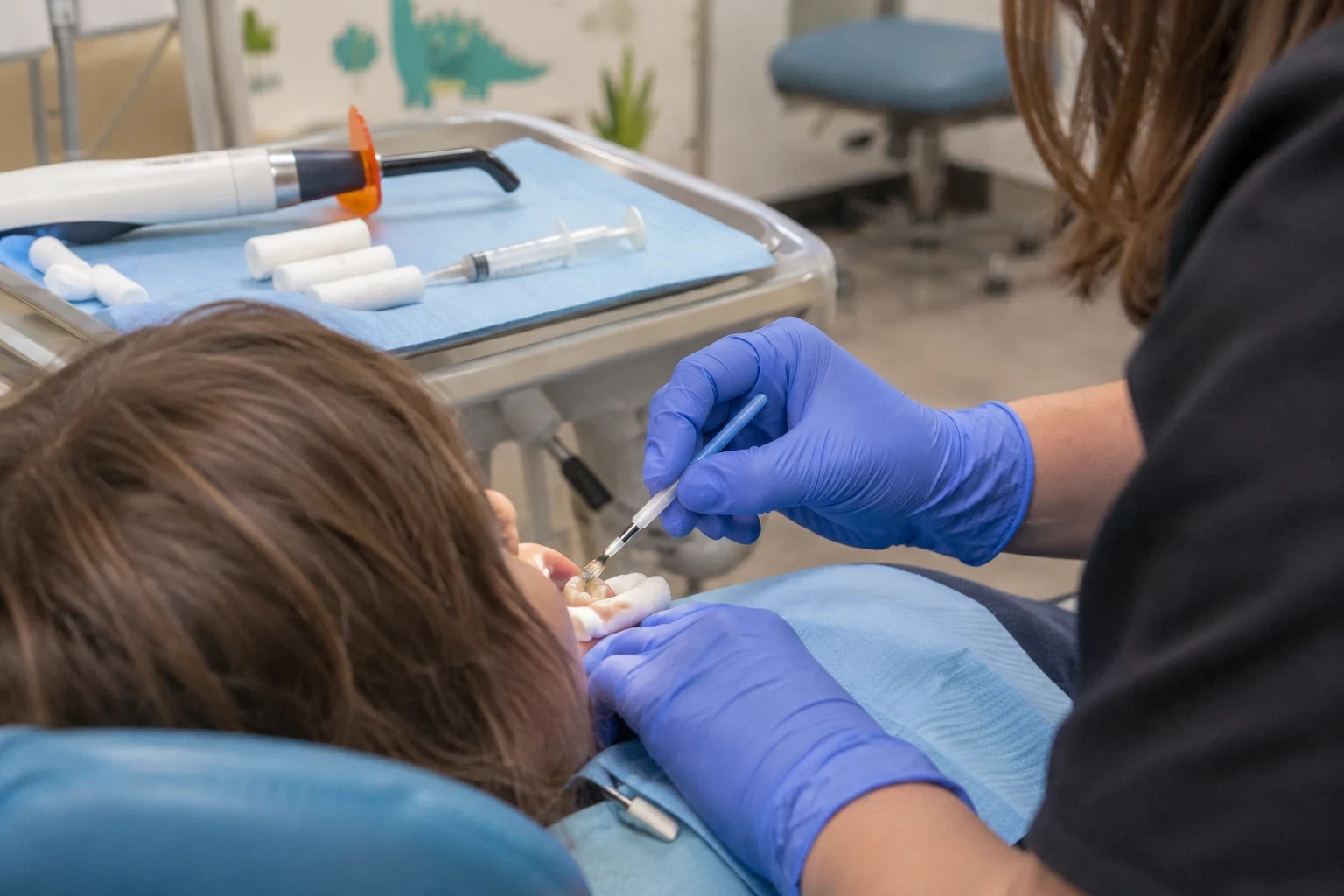
What sealants are and when they make sense
A sealant is a liquid resin we paint onto the chewing surfaces of molars and premolars. It flows into the pits and fissures, hardens under a curing light, and leaves a smooth surface that food and bacteria can't settle into. It isn't a filling, and nothing is removed from the tooth.
The best time is soon after a permanent molar fully comes in. For most kids that means the first molars around age 6 and the second molars around age 12. We also seal baby molars when the grooves are unusually deep or your child has already had cavities.
Sealants work alongside brushing, flossing and fluoride, not instead of them. They protect the chewing surface only, so the sides of the teeth still need daily care.
What a sealant visit includes
A check of each tooth first
We look at every tooth we plan to seal, and take X-rays only if your child is due for them. A sealant should go on a healthy surface. If we find early decay, we tell you plainly and talk through options.
Cleaning and drying the grooves
The surface is polished and kept dry with cotton rolls or a small isolation tool. Saliva is the main reason a sealant fails early, so this step gets the most attention.
Applying and curing the sealant
We paint the resin into the grooves and harden it with a blue light in about 20 seconds per tooth. Your child hears a little air and water, and that's about it.
A bite check before you leave
Your child closes on a thin strip of marking paper, and we smooth away any spot that sits too high so chewing feels the way it did before. You'll know exactly which teeth were sealed.
Follow-up at regular checkups
At each exam and cleaning we look at the sealants for wear or chips. A worn spot can usually be touched up in a few minutes.
Signs your child may be ready for sealants
New permanent molars just came in
Look behind the last baby teeth. A big, new back tooth is the ideal candidate, since fresh enamel is most vulnerable in its first few years.
Deep, dark-looking grooves
Some kids have narrow, deep fissures that stain easily. Those grooves trap food even with good brushing.
A history of cavities
If your child has had fillings in baby teeth, the permanent teeth are at higher risk too. Sealing them early is a simple step that lowers that risk.
Braces or a lot of snacking ahead
Kids who graze through the day or will soon wear braces have more trouble keeping back teeth clean. Sealants give those surfaces extra protection.
How the appointment goes
- 1
A calm start
Before anything touches a tooth, we let your child hold the little brush and see the blue light, and we talk them through what's coming in kid-sized terms. Parents are welcome to stay close.
- 2
Prep the tooth
We polish the groove, rinse, and apply a mild gel for a few seconds so the sealant grips. Then we rinse again and dry the tooth well.
- 3
Seal and harden
The resin goes on with a tiny brush and sets under the curing light. No numbing is needed, and most kids are done with four molars in well under half an hour.
- 4
Back to normal
Your child can eat and drink as soon as they leave. The tooth may feel slightly smooth or different for a day, which fades quickly.
What affects the cost of sealants
Sealants are among the more straightforward things we do, so the price has few moving parts. It comes down mostly to how many teeth we treat and what your dental plan pays for. We review your benefits with you before starting, so nothing on the bill catches you off guard. You can pay with MasterCard, Visa or Discover, we work with most insurance plans, and families who'd like to spread out payments can use the CareCredit Patient Payment Plan.
- How many teeth we seal
- Sealants are typically charged tooth by tooth. Two molars cost less than all four first molars.
- What your plan covers
- Plenty of dental plans pay for sealants on permanent molars, often with an age limit. Some exclude baby teeth or premolars, and we'll let you know which rules fit your child's plan.
- The tooth's condition
- When a groove already shows a small spot of decay, it may need a small filling in place of a sealant, or both. We walk you through that difference before any work starts.
- Pairing it with a checkup
- Doing sealants during a cleaning visit can spare you a separate trip. Touching up a worn sealant later is usually a short job.
Sealant questions parents ask
Something not covered here? (508) 456-9905
Does getting sealants hurt?
No. There's no needle and no drill. Your child feels a small brush, a little air and water, and a mildly sour taste from the prep gel. For most kids it's one of the easiest things we do all day.
Will my child's sealants need redoing someday?
Possibly. Sealants hold up for years, but everyday chewing slowly wears them, and hard or sticky foods can chip an edge. We look them over at every checkup and patch any thin spot. Redoing one follows the same quick steps as the first application.
Are sealants safe? I've read about BPA.
That's a reasonable thing to ask. Research shows any trace exposure from dental sealants is tiny, less than common sources like store receipts and food packaging, and it falls to almost nothing within a few hours. Our board-certified pediatric dentists will gladly explain the materials we use.
Should baby teeth get sealants?
Sometimes. Many kids hold on to their baby molars until roughly age 10 to 12, which leaves a deep groove plenty of time to collect food. If your child has deep grooves or has had cavities before, sealing those molars can make sense. With shallow grooves and few past cavities, we may recommend waiting for the permanent molars.
If my child has sealants, do they still need fluoride?
Yes. A sealant covers only the chewing surface. Fluoride treatment strengthens enamel everywhere, including the spaces between teeth that sealants can't reach, so the two do different jobs and pair well.
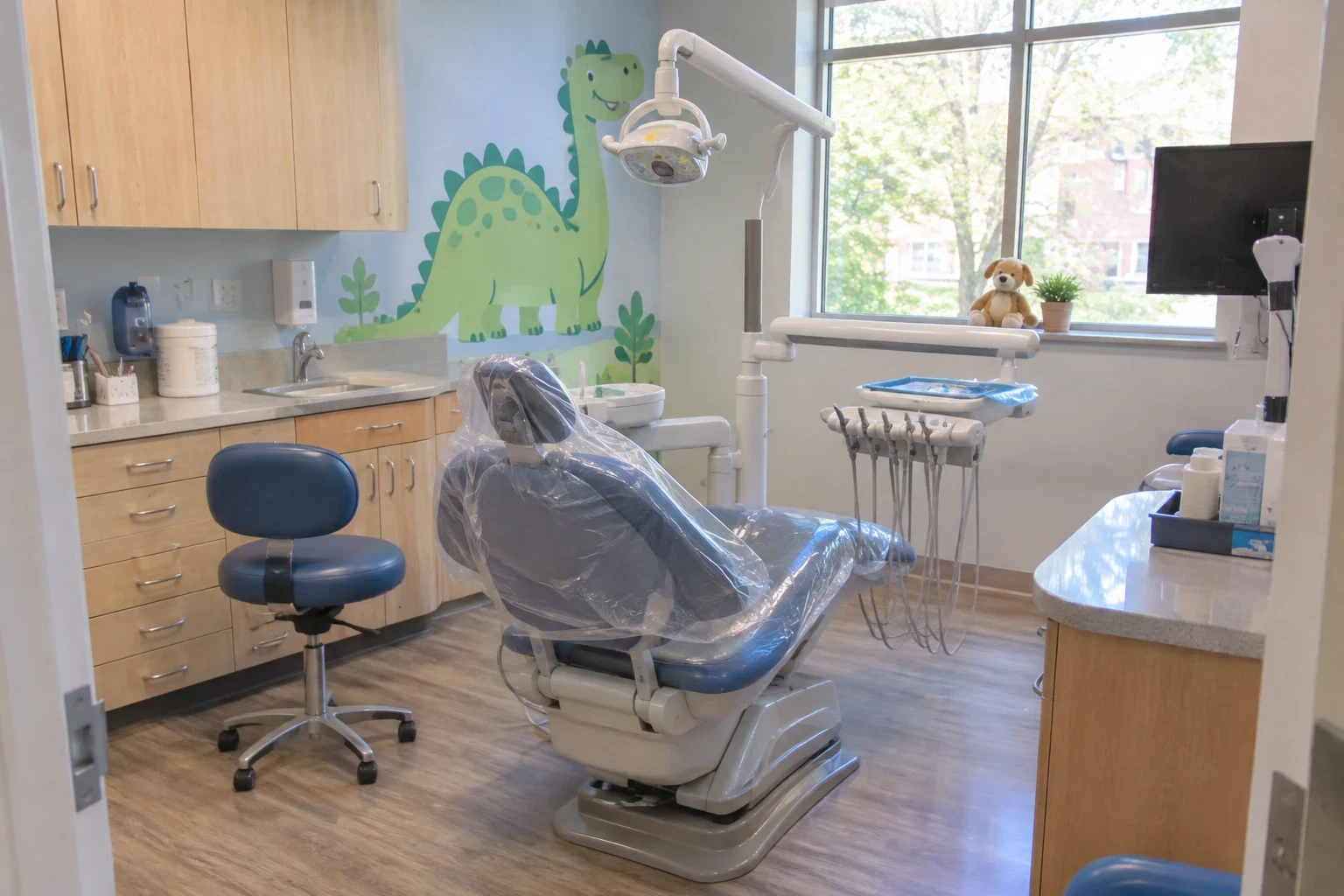
Ready when the big back teeth are
When your child's permanent molars are fully in, a single short visit seals them. Phone us to get your child set up as a new patient, and we'll find an appointment time that fits around school and the rest of your family's week.